%2Ffit-in%2F250x250%2Fguide_websites%2F13939%2Fimages%2F1770232214623bulletprooffishingcharters-02.jpg&w=1920&q=100)
Spanish Mackerel Fishing Charter in Orange Beach AL
Inshore Fishing in Orange Beach - What to Expect
%2F%2Fusers%2Fb2554d80-b5b4-4af2-91e7-ec9a063f3fc6%2Fimages%2Forange-beach-mixed-species-catch-2949.jpg&w=1920&q=75)
Fishing Charter by Captain Jeff Bearden in May
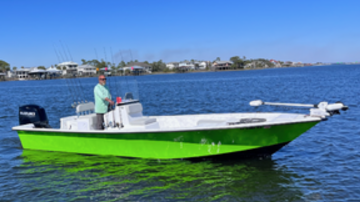
Meet your Captain Jeff Bearden
- Bulletproof Inshore Charter-Reel in the Action!


Summary
Experience the thrill of inshore fishing charter action in Orange Beach on Saturday, May 17. Captain Jeff Bearden of Bulletproof Inshore Charters delivers fast-paced saltwater fishing with hard-hitting Spanish Mackerel, Grey Triggerfish, and Summer Flounder. This dynamic fishing charter combines expert local knowledge with explosive action on Alabama's premium inshore grounds.
Inshore Fishing Charter with Captain Jeff Bearden - Rates & Booking
Captain Jeff Bearden of Bulletproof Inshore Charters delivered explosive action on Saturday, May 17. This fishing charter targets the hard-fighting species that define Orange Beach inshore waters - Spanish Mackerel, Grey Triggerfish, and Summer Flounder. Each species brings its own challenge and reward, making for non-stop excitement on the water.
Captain Bearden's expertise keeps the action flowing all day long. His local knowledge of prime fishing grounds combined with proven techniques means you'll spend more time fighting fish and less time waiting. Book your inshore fishing charter with Bulletproof to experience the same dynamic action and professional guidance that delivers consistent results.
Highlights of the Inshore Fishing Experience
The Spanish Mackerel runs hot in Orange Beach's inshore waters. These speed demons strike hard and run harder, creating explosive topwater moments and blistering runs that test your skills. Grey Triggerfish add technical challenge with their tough mouths and stubborn fighting style. Summer Flounder round out the action with powerful bottom-fighting that keeps anglers engaged throughout the day.
Orange Beach's inshore ecosystem delivers consistent action across multiple species, allowing captains like Bearden to adapt the bite and keep the momentum building. Fast strikes, strong runs, and quality fish define the inshore charter experience here.
Local Species Insights: Spanish Mackerel, Triggerfish, and Flounder
Spanish Mackerel dominate the inshore waters around Orange Beach, particularly in spring and summer. These streamlined predators hunt aggressively in shallow to mid-depth zones, striking artificial lures and live bait with explosive force. They're built for speed and power, making them one of the most exciting inshore species to battle.
Grey Triggerfish thrive on the structure-rich grounds offshore of Orange Beach. These hard-bodied fish inhabit reef systems, wrecks, and artificial reefs where they feed on crustaceans and small fish. Their territorial nature and powerful jaws make them a technical challenge - you need precision casting and proper technique to hook and land them successfully.
Summer Flounder frequent the sandy bottom zones and grass flats where they ambush prey from camouflaged positions. These flatfish deliver powerful strikes and determined runs, using their flat body profile to dig hard into structure. Their presence signals healthy flats and productive grounds that keep the fishing action rolling all day.
The combination of these three species creates a dynamic inshore bite where anglers face constant opportunities and varied challenges. Each species responds to different techniques and presentations, allowing experienced guides like Captain Bearden to match the conditions and keep action consistent. The hard strikes and powerful runs that characterize all three species make Orange Beach inshore fishing an adrenaline-fueled experience from start to finish.
Orange Beach's location on Alabama's Gulf Coast positions it perfectly for inshore access. The combination of coastal rivers, shallow bays, grass flats, and nearshore structure creates ideal habitat for Spanish Mackerel, Triggerfish, and Flounder. Crystal-clear water on calm days enhances visibility and visibility-dependent fishing techniques. The moderate depths and manageable conditions make inshore fishing accessible for anglers of all experience levels while still delivering the excitement and challenge that keeps seasoned fishermen coming back.
Fishing in Orange Beach: Grey Triggerfish, Summer Flounder and Spanish Mackerel
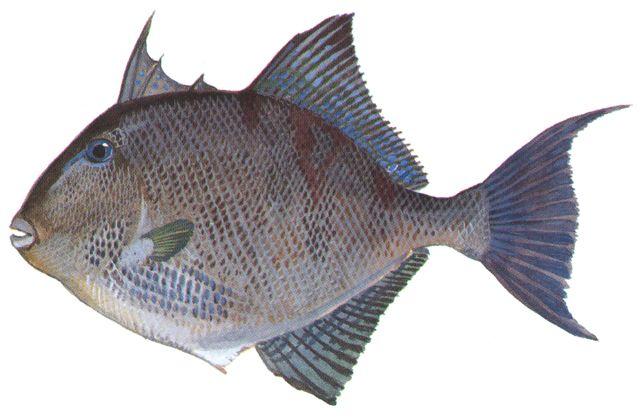
The Grey Triggerfish (Balistes capriscus) from the Balistidae family and Tetraodontiformes order is one of those fascinating fish that every angler should experience at least once. Also known as the Leatherjacket or Leatherneck, this distinctive ray-finned fish sports a pale grey to greenish-grey coloration with three broad dark stripes running across its body and striking blue upper eyes. What really sets them apart is their tough, leather-like skin and that unique trigger mechanism they use to lock themselves into crevices when threatened - it's like watching nature's own security system in action!
Grey Triggerfish Overview
These remarkable fish are true characters of the reef ecosystem, known for their bold personalities and opportunistic feeding habits. Found throughout the Atlantic waters from Nova Scotia down to Argentina, they're particularly abundant around Florida's coastal waters and the Gulf of Mexico. What makes them so notable for anglers is their aggressive feeding behavior and willingness to take almost any bait, though they're notorious for their nibbling technique that can frustrate even experienced fishermen. Their laterally compressed body and distinctive beak-like mouth make them unmistakable once you've encountered one.
Grey Triggerfish Habitat and Distribution
You'll find these adaptable fish thriving in both inshore and offshore environments, typically around hard-bottom areas, rocky ledges, and coral reefs up to about 180 feet deep. Their range extends from the western Atlantic Ocean, including the Caribbean Sea, Gulf of Mexico, and even Bermuda, with some populations having crossed the Atlantic via Gulf Stream currents to establish themselves around the British Isles and Mediterranean. They prefer seaward reefs, bays, and lagoons where they can easily dart into protective crevices when danger approaches. The key to finding them is looking for structure - anywhere there are rocks, reefs, or artificial structures, you're likely to encounter these territorial fish.
Grey Triggerfish Size and Weight
Most specimens you'll encounter range from 19 to 24 inches in length, though the average catch typically measures around 17 inches. These medium-sized fish pack quite a bit of weight for their size, with mature individuals weighing between 11 to 13 pounds. Their robust, compressed body shape gives them surprising heft, and when you hook into a larger specimen, you'll definitely feel the fight they put up. The size can vary significantly based on location and available food sources, with fish in nutrient-rich areas often reaching the upper end of the size spectrum.
Grey Triggerfish Diet and Behavior
As carnivorous opportunists, these fish have earned a reputation as the bulldozers of the reef ecosystem. They use their powerful, sharp teeth to crunch through hard-shelled prey like crabs, sea urchins, shrimp, and various invertebrates, often leaving a trail of destruction that smaller fish follow to feast on the leftovers. Their feeding behavior is quite aggressive - they'll pick apart coral formations to get at hidden prey and aren't shy about competing with other fish for food. This competitive nature makes them relatively easy to target with bait, as they'll often rush in to steal food from other species. Their daily behavior involves patrolling territory during daylight hours and retreating to protective crevices at night.
Grey Triggerfish Spawning or Seasonal Activity
During spawning season, typically in warmer months, these fish become even more territorial and aggressive. Males establish nesting sites in sandy areas near reefs where they create circular depressions for females to deposit eggs. The male guards the nest fiercely, making this period particularly exciting for anglers as the fish become more active and easier to locate. Seasonal movements often bring them into shallower waters during spring and summer months, making them more accessible to recreational fishermen. Their activity levels peak during dawn and dusk feeding periods, though they remain active throughout the day in productive areas.
Grey Triggerfish Techniques for Observation or Capture
The most effective approach involves targeting hard-bottom areas and reef structures using a 6 to 8-ounce sinker to get your bait down quickly to their preferred depths. Squid chunks about an inch wide work exceptionally well since they stay on the hook better than softer baits, and the key is maintaining constant line tension to feel those subtle nibbles before they steal your bait. A particularly effective technique is dropping your bait near other species like snapper or grouper - the competitive nature of these fish means they'll often charge in to steal food from their neighbors. Around popular fishing destinations, try fishing the edges of artificial reefs and bridge pilings where they tend to congregate. Keep your rod tip up and be ready to set the hook quickly, as they're notorious for testing the bait before committing to a full bite.
Grey Triggerfish Culinary or Utilization Notes
While they offer average eating quality compared to some other reef species, many anglers appreciate their firm, white meat when prepared properly. The key to good table fare is immediate cleaning and proper preparation, as the tough skin requires careful removal. Their meat has a mild flavor that takes well to various cooking methods, from grilling to frying, though some find the texture a bit firmer than preferred. They're also valued for their impressive fighting ability, making them a popular target for sport fishing. The sustainability aspect is important to consider, as proper size limits and seasonal restrictions help maintain healthy populations for future generations to enjoy.
Grey Triggerfish Frequently Asked Questions
Q: What is the best bait for Grey Triggerfish?
A: Squid chunks about an inch wide are the top choice because they stay on the hook well despite the fish's nibbling behavior. Shrimp, cut bait, and even small crabs work effectively, but squid's durability gives you the best chance of a solid hookup.
Q: Where can I find Grey Triggerfish in Florida waters?
A: Look for hard-bottom areas, artificial reefs, bridge pilings, and rocky ledges in both inshore and offshore waters up to 180 feet deep. Popular spots include reef systems off the Keys, Gulf Coast artificial reefs, and structure around inlets and passes.
Q: Are Grey Triggerfish good to eat?
A: They provide decent table fare with firm, white meat that has a mild flavor. While not considered premium eating like snapper or grouper, they're certainly edible when cleaned and prepared properly, though the tough skin requires careful removal.
Q: When is the best time to catch Grey Triggerfish?
A: Dawn and dusk feeding periods are typically most productive, though they remain active throughout the day. Warmer months often see increased activity as they move into shallower waters, and fishing around structure during incoming tides can be particularly effective.
Q: Why do Grey Triggerfish steal bait without getting hooked?
A: Their feeding behavior involves nibbling and testing bait before fully committing, which is why maintaining tight line tension and using durable baits like squid is crucial. Setting the hook at the first sign of movement rather than waiting for a strong pull often results in better hookup rates.
Q: How do I prevent Grey Triggerfish from breaking off once hooked?
A: Use sturdy tackle and reel steadily while keeping the rod tip up to prevent them from diving back into structure. Their first instinct when hooked is to head for the nearest crevice or reef, so applying consistent pressure to turn them away from cover is essential for a successful landing.
Summer Flounder Overview
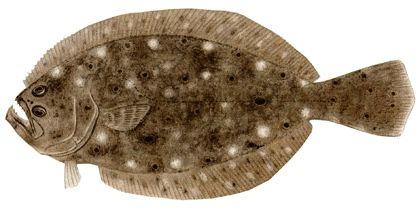
The Summer Flounder, scientifically known as Paralichthys dentatus, is a fascinating flatfish species belonging to the family Paralichthyidae and order Pleuronectiformes. Known affectionately as the "chameleons of the sea," these remarkable fish are one of several sand flounders with both eyes positioned on the left side of their heads—a trait that develops as they mature from normal-looking juveniles. Summer Flounder are grayish-brown with lighter spots that provide excellent camouflage against the sandy and muddy seafloor where they spend their lives. This species is native to the Atlantic Coast and is a beloved target for anglers from Massachusetts to Florida, offering both an exciting fishing experience and excellent table fare.
Summer Flounder Habitat and Distribution
Summer Flounder are primarily found along the East Coast of the United States and Canada, thriving in waters that stretch from North Carolina to Massachusetts, with populations extending from Nova Scotia to eastern Florida. These demersal fish prefer both inshore and offshore environments, making their home in estuaries, bays, and continental shelf waters where sandy and muddy bottoms provide ideal hunting grounds. They typically occupy depths where they can effectively use their camouflage to ambush prey. The species is usually captured using bottom otter trawls, gillnets, and pound nets, indicating their preference for seafloor habitats. In popular fishing destinations along the Atlantic seaboard, Summer Flounder populations remain robust during the warmer months, with seasonal migrations influenced by water temperature and food availability.
Summer Flounder Size and Weight
The average Summer Flounder measures between 15 to 20 inches in length, though specimens can grow considerably larger, reaching up to 37 inches and weighing as much as 5 pounds. The largest recorded individuals have exceeded 26 pounds, making trophy-sized catches a genuine possibility for dedicated anglers. Female Summer Flounder typically grow larger and live longer than males, with maximum observed ages of 17 years for females and 15 years for males. Most fish you'll encounter while fishing will fall in the 15 to 20-inch range, making them ideal for both recreational catch-and-release and culinary purposes.
Summer Flounder Diet and Behavior
Summer Flounder are active ambush predators that rely on their exceptional camouflage and bottom-dwelling lifestyle to catch unsuspecting prey. These cunning hunters can rapidly change their coloring to match their surroundings, allowing them to blend seamlessly with the seafloor until an opportunity presents itself. When ambush tactics fail, they employ impressive swimming ability to chase down faster-moving prey. Their diet consists of a diverse array of bony fish including sand lance, menhaden, Atlantic silverside, mummichog killifish, and small bluefish, supplemented by invertebrates such as crabs, shrimp, and squid. Young Summer Flounder and juveniles face predation from spiny dogfish, monkfish, cod, hakes, sea raven, and longhorn sculpin, while adult fish are vulnerable to large sharks, rays, and monkfish. This natural predation helps maintain ecological balance in coastal marine ecosystems.
Summer Flounder Spawning and Seasonal Activity
Summer Flounder exhibit fascinating reproductive behavior, with peak spawning occurring during October and November when water temperatures drop and plankton abundance reaches seasonal highs. This timing is no accident—the combination of optimal water conditions and abundant food resources significantly increases survival rates for larval Summer Flounder hatching in continental shelf waters. Female Summer Flounder are remarkably prolific, producing between 460,000 to more than 4 million eggs during a spawning season. While these fish can be caught year-round, they are considerably easier to catch between September and November when they're most active and concentrated in accessible fishing areas. Spring and summer months see them more dispersed, though committed anglers can still find success with proper techniques and location knowledge.
Summer Flounder Techniques for Observation and Capture
Live Bait Method: Summer Flounder respond exceptionally well to live baitfish, making this the most effective angling approach. Use live minnows, mullet, or croakers, hooking smaller baits through the eye and larger specimens through the lips. A standard 7-foot casting rod paired with sturdy line capable of handling larger fish is the go-to setup for most anglers. Cast near structure, sandy patches, and channel edges where Flounder commonly hunt. Around coastal cities like Montauk, New York and similar Atlantic fishing hubs, targeting deeper channels during tidal changes often yields impressive results.
Natural Bait Alternative: Sea worms and clams are also effective attractants that Summer Flounder find irresistible. Use a circle hook, as these are easier for Flounder to properly bite, improving your hook-up ratio significantly. A sinker may be necessary to keep your bait within reach of bottom-dwelling Flounder, particularly in deeper offshore waters.
Timing and Location Strategy: Fish during slack tide or early in the tidal change when Flounder are most actively feeding. Target sandy and muddy bottom habitats in 15 to 60 feet of water, adjusting depth based on seasonal migration patterns. The fall migration (September through November) concentrates fish in predictable locations, making this the optimal season for consistent success.
Summer Flounder Culinary and Utilization Notes
Summer Flounder possess excellent food quality and are highly prized for their delicate, flavorful white flesh. The meat is lean and mild, making it suitable for a wide variety of culinary preparations including pan-frying, baking, steaming, and poaching. Their flat body structure yields beautiful fillets with minimal waste. Nutritionally, Summer Flounder provide excellent protein, omega-3 fatty acids, and essential minerals. It's important to note that a permit is required for the commercial sale and purchase of Summer Flounder, supporting sustainable fishery management along the Atlantic Coast. Recreational anglers can keep legal-sized fish for personal consumption, contributing to both food security and connection with coastal traditions.
Summer Flounder Frequently Asked Questions
Q: What is the best bait for catching Summer Flounder?
A: Live baitfish such as minnows, mullet, and croakers are highly effective, as are sea worms and clams. Hook smaller baits through the eye and larger ones through the lips. Circle hooks are recommended because they're easier for Flounder to bite securely.
Q: Where can I find Summer Flounder near major fishing cities?
A: Summer Flounder are abundant along the entire Atlantic Coast from North Carolina to Massachusetts. Popular spots include estuaries, bays, and offshore channels. Around cities like Boston, New York, and Wilmington, look for sandy and muddy bottom habitats in 15 to 60 feet of water during the September through November migration season.
Q: Is Summer Flounder good to eat?
A: Absolutely! Summer Flounder have excellent food quality with delicate, flavorful white flesh that's lean and versatile. They're suitable for pan-frying, baking, steaming, or poaching, and provide excellent nutrition including protein and omega-3 fatty acids. A permit is required for commercial sale, but recreational anglers can keep legal-sized fish for personal consumption.
Q: When is the best time to catch Summer Flounder?
A: While catchable year-round, Summer Flounder are easiest to catch between September and November during their fall migration. Spring and summer require more effort, but success is still possible for patient anglers. Peak spawning occurs in October and November when fish are most concentrated and active.
Q: What fishing gear setup do I need for Summer Flounder?
A: A standard 7-foot casting rod paired with sturdy line capable of handling larger fish is the recommended setup. Use circle hooks for better hook-ups, and include a sinker to keep your bait near the bottom where Flounder hunt. Adjust sinker weight based on water depth and current strength.
Q: Why are Summer Flounder called "chameleons of the sea"?
A: Summer Flounder have the remarkable ability to rapidly change their coloring to match the texture and color of the bottom where they live. This exceptional camouflage allows them to blend invisibly with the seafloor, giving them a significant advantage when ambush hunting for prey. This adaptive capability is why anglers sometimes see them practically vanish against sandy or muddy backgrounds.

Spanish Mackerel Overview
The Spanish Mackerel (Scomberomorus maculatus) is a highly prized member of the Scombridae family within the order Perciformes, and it stands out as one of the ocean's most exhilarating game fish. Known for its sleek, silvery body adorned with distinctive yellowish oval spots and a dark greenish back, this species is instantly recognizable to anglers and seafood enthusiasts alike. What really sets the Spanish Mackerel apart is its incredible speed—clocking in at an average of 5.5 meters per second, making it one of the fastest swimmers in the ocean. Whether you're fishing off the coast of Florida or exploring the Gulf of Mexico, encountering a school of these magnificent fish is an unforgettable experience that combines excitement, challenge, and culinary reward.
Spanish Mackerel Habitat and Distribution
Spanish Mackerels thrive in tropical and subtropical waters throughout the Atlantic Ocean, Gulf of Mexico, and along both coasts of Florida. These fish are highly migratory, traveling seasonally from the northern Atlantic coast down to Mexico during winter months, and they can be found in virtually every ocean on the planet. They prefer areas with structures—whether offshore reefs, nearshore flats, oyster bars, or jetties—where they can hunt and school effectively. In warmer months, schools tend to move closer to shore, making them accessible to surf and pier fishers, while cooler seasons push them into deeper offshore waters. The species thrives in both open waters and coastal environments, making them versatile targets for different fishing approaches and experience levels.
Spanish Mackerel Size and Weight
Spanish Mackerels are relatively fast-growing fish, reaching full maturity in just two years. A typical adult specimen measures between 20 to 24 inches in length and weighs approximately 8 to 11 pounds. However, these fish can grow substantially larger under ideal conditions. The species regularly reaches sizes of 2 to 3 feet in length, with specimens weighing well over 30 pounds being fairly common among dedicated anglers. The largest Spanish Mackerel ever officially recorded measured just over 6 feet long and weighed approximately 120 pounds—a remarkable catch taken from the waters off Fraser Island, Australia. For most recreational fishing outings, expect to encounter fish in the 2 to 4-pound range, though larger specimens are always a thrilling possibility, especially when targeting schools in prime offshore locations.
Spanish Mackerel Diet and Behavior
As carnivorous predators, Spanish Mackerels are aggressive hunters with diverse appetites. They primarily feed on herring, menhaden, sardines, mullet, needlefish, and anchovy, but they'll also opportunistically consume shrimp, crabs, and squid when available. Their feeding behavior is characterized by lightning-fast strikes and explosive surface activity, especially when schools are actively hunting baitfish. These fish are highly social and often swim in large, coordinated schools that can stretch up to 20 miles in length—a sight that gets anglers' hearts racing. Their aggressive nature makes them exciting to target, as they respond enthusiastically to both live bait and artificial lures. Spanish Mackerels can live up to 25 years in the wild, providing experienced fish populations that know how to evade capture and deliver memorable battles on the line.
Spanish Mackerel Spawning and Seasonal Activity
Spanish Mackerels spawn during warmer months, with females releasing between 500,000 to 1.5 million eggs throughout the spawning season. The eggs are buoyant due to oily drops within them, allowing them to drift with ocean currents until fertilized by sperm released by males. Seasonal migration patterns are pronounced in this species: during winter, populations move southward toward Mexico and deeper waters, while spring and summer see them returning northward and moving closer to coastal areas. This predictable seasonal movement allows anglers to plan fishing trips strategically. In warmer weather, schools position themselves in shallower waters near shore, creating excellent opportunities for beach, pier, and jetty fishing. Conversely, winter fishing often requires offshore ventures into deeper waters where larger, more mature fish congregate.
Spanish Mackerel Techniques for Observation or Capture
Offshore Trolling and Drifting: One of the most effective methods for targeting Spanish Mackerels is trolling or drifting on boats through open water structures where schools congregate. Look for bait activity on the surface, diving birds, or use a fish finder to locate schools. Approach slowly and quietly to avoid spooking the fish, then present heavy metal lures or shiny spoons at varying depths. Use a medium 7 to 8-foot rod with 12-20 pound braided line and 1/0-2/0 circle hooks. Live bait such as sardines, mullet, minnows, or greenbacks presented on appropriate-sized hooks work exceptionally well.
Nearshore Casting Around Structures: For anglers based near shore, targeting Spanish Mackerels around oyster bars, flats, and nearshore structures yields consistent results. Cast heavy metal lures, shiny spoons, or plastics with jig heads toward structure edges and retrieve with medium-to-fast action to trigger strikes. Light to medium spinning tackle works perfectly for this approach. Around coastal areas like Florida's Gulf Coast and Atlantic shores, early morning hours and the hour before sunset often produce the most active feeding windows.
Surf, Pier, and Jetty Fishing: During warmer months when schools move into shallower waters, surf fishing from beaches, piers, and jetties becomes highly productive. Cast spoons and jigs into areas where baitfish are active, or use live-bait fishing with shrimp and small fish. Stay mobile along piers and jetties to locate actively feeding schools. Around popular fishing destinations, experienced anglers recommend fishing the deeper drop-offs near jetties where Spanish Mackerels often patrol. These locations provide excellent opportunities for even novice anglers to experience the thrill of hooking into a fast, powerful fish.
Spanish Mackerel Culinary and Nutritional Notes
Spanish Mackerel is widely considered excellent eating with a mild, not-overly-fishy flavor that appeals to diverse palates. The flesh is both flaky and tender, offering remarkable versatility in the kitchen. It can be grilled, baked, smoked, fried, steamed, or poached, making it suitable for numerous cuisines and cooking styles. The fish is particularly popular in Japan and other countries as a premium sushi ingredient, prized for its quality and flavor. Nutritionally, Spanish Mackerel is a powerhouse—packed with omega-3 fatty acids and high-quality protein that support heart health, reduce inflammation, and provide sustained energy. A single serving delivers significant percentages of daily recommended values for essential nutrients. Beyond its culinary appeal, Spanish Mackerel has become increasingly valued in sustainable seafood discussions, particularly as fishing regulations and catch limits have helped restore populations after decades of heavy commercial fishing.
Spanish Mackerel Frequently Asked Questions
Q: What is the best bait and tackle setup for Spanish Mackerel fishing?
A: For optimal results, use medium 7 to 8-foot spinning rods with 12-20 pound braided line and 1/0-2/0 circle hooks. Live bait such as sardines, mullet, minnows, greenbacks, and live shrimp are highly effective, as are cut bait like squid. For artificial lures, focus on heavy metal spoons and shiny lures that create vibration and flash to attract aggressive strikes. Plastics rigged on jig heads also produce consistent results.
Q: Where can I find Spanish Mackerel near the Florida coast?
A: Spanish Mackerel are abundant throughout Florida's Atlantic and Gulf coasts, particularly around structures like oyster bars, jetties, and offshore reefs. During warmer months, check nearshore flats and beaches where schools move into shallower waters. Offshore, look for bait schools and diving birds that indicate feeding activity. Local fishing reports and guides can pinpoint current hotspots, as schools migrate seasonally through predictable routes.
Q: Is Spanish Mackerel good to eat?
A: Absolutely—Spanish Mackerel is considered excellent eating with mild flavor and flaky, tender texture. It's versatile enough to be grilled, baked, smoked, fried, or enjoyed raw as sushi. The fish is rich in omega-3 fatty acids and protein, making it as nutritious as it is delicious. Many seafood enthusiasts rank it among their favorite fish for both restaurant preparation and home cooking.
Q: When is the best time to catch Spanish Mackerel?
A: Spring through early fall offers peak activity, with summer providing the most consistent action as schools move into shallower coastal waters. Early morning and evening hours typically produce more aggressive feeding. Winter fishing is possible but requires offshore ventures, as populations migrate southward and into deeper waters. Water temperature and seasonal migration patterns drive availability, so checking local conditions before planning a trip ensures the best odds of success.
Q: How fast is a Spanish Mackerel, and how does that affect fishing?
A: Spanish Mackerels are among the ocean's fastest fish, averaging 5.5 meters per second, which translates to explosive, thrilling strikes and hard-fighting battles. Their speed means they hit lures and bait aggressively and require responsive rod work to set the hook effectively. Use fast-action rods and stay alert—misses happen quickly with this species, but successful hookups deliver one of freshwater and saltwater fishing's most rewarding experiences.
Q: Are there regulations for Spanish Mackerel fishing?
A: Yes, fishing regulations are in place to protect Spanish Mackerel populations and ensure sustainable fishing. Minimum size restrictions apply in both Atlantic and Gulf of Mexico waters, with catch limits divided between commercial and recreational fishers. These regulations, implemented after overfishing reduced populations significantly, have been highly successful in restoring fish numbers. Always check current local and state regulations before fishing, as rules vary by region and change seasonally.